The olive in the garden: coast, container and continental frost
4 min read
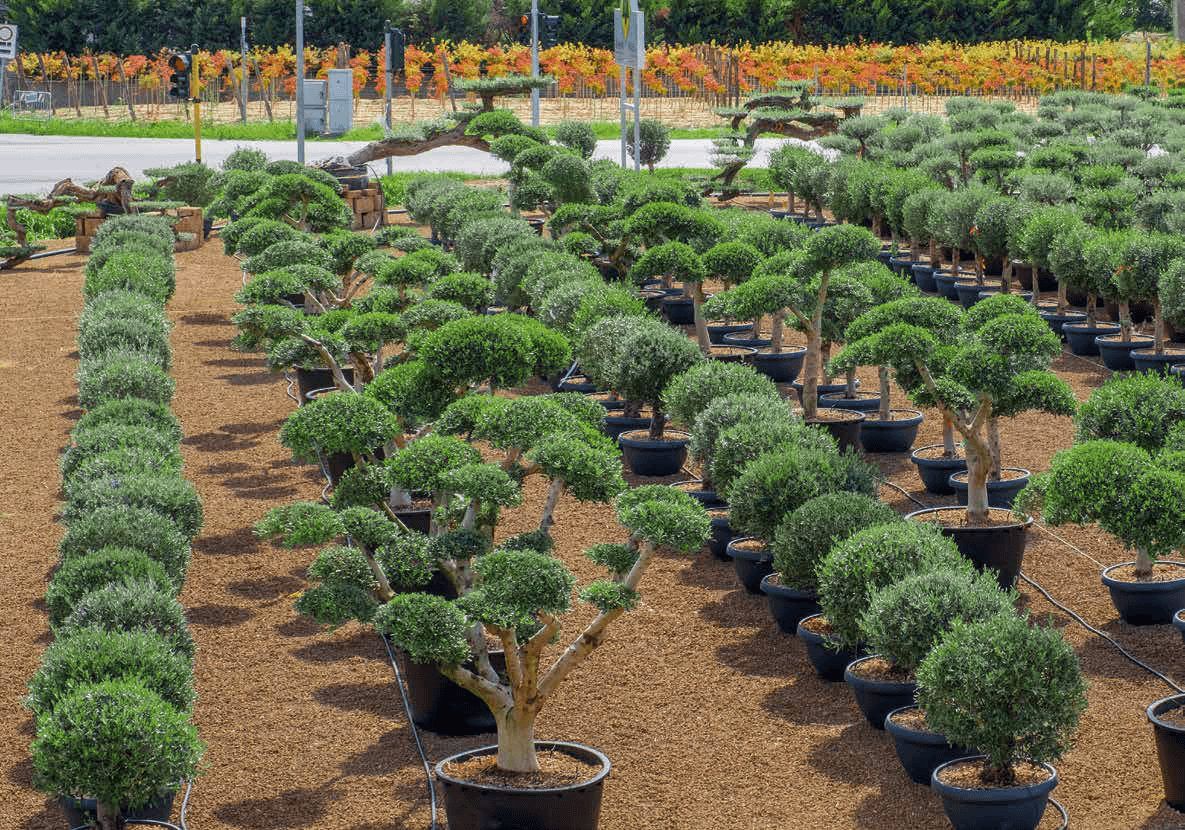
How Olea europaea behaves in Croatian gardens — the coast, the wet continental interior, container culture, pruning, and what a mature specimen actually buys you.
Ulika is the old Dalmatian word for the wild olive, the tough, small-leaved tree that comes up out of the karst without anyone planting it. That is the plant standing behind everything else in the range, and it is worth starting there, because almost every mistake made with a garden olive comes from treating it as a soft ornamental rather than as what it is: a slow, drought-adapted evergreen off thin alkaline ground, in cultivation around this sea for four thousand years.
The coast and the interior are not the same plant
On the coast and the islands the olive needs nothing explained to it. Full sun, free-draining ground, no summer irrigation once it has taken, and it will outlive whoever planted it. The two common errors are planting it into a lawn that gets watered every evening, and planting it in a hollow where winter rain collects. Olives are lost to wet roots far more often than to cold.
Inland — Zagreb, Slavonia, the Sava plain — the calculation changes on two counts. The first is the winter. A mature, well-ripened olive tolerates hard frost once established, and there are old trees carrying fruit well north of the coast, but young stock and soft late growth are vulnerable, and a still, humid frost settling into a low garden does more damage than a colder night with air moving through. The second, and the more frequent killer, is the soil. Continental clay that stays saturated from November to March will rot an olive's roots even where the winter itself is survivable. If the tree is going into the ground inland, raise it on a mound of coarse gravelly substrate, put it in full sun against a south wall if there is one, and do not feed it into soft growth after July.
Which form to buy
Olives are sold as three quite different products and they are not interchangeable. A young standard or bush in a 30 to 50 litre pot is the cheapest way to get an olive established and the right choice wherever there is time. 'Cipressino' is a naturally narrow, upright selection that stays columnar without pruning: the plant for a drive, an entrance, or anywhere the spreading head of an ordinary olive would not fit. And then there are the old specimens, field-grown trees of real age lifted with a rootball, carrying the fluted, hollowed trunk that no young tree can imitate. Those trees have been root-pruned in the field over several cycles, which is why they move with a compact, fibrous rootball and re-establish instead of sulking for a decade.
A mature olive is not a large young tree. It is bought for the trunk, and the trunk is the one part of the plant that cannot be hurried.
Olives in containers
Container culture suits the olive better than it suits most trees, and inland it is often the sensible answer, because the pot can be moved against a wall or under cover for the worst weeks of the winter. Give a young tree at least 50 litres and a mature one 150 litres or more, in a gritty, free-draining mix rather than a peat-based compost. The commonest cause of death in a potted olive is not frost. It is a saucer left under the pot.
- Use a mix with at least a third coarse grit or lava, and raise the pot on feet so it drains freely.
- Water deeply and infrequently, then let the surface dry; an olive in a pot takes drought far better than constant damp.
- Feed lightly and only from March to June. Nitrogen after midsummer makes soft growth that will not harden before winter.
- Repot or root-prune every three to four years. A pot-bound olive stops extending and loses leaf from the inside out.
- Inland, move the pot against a south wall for winter and insulate the container itself; the roots freeze before the top does.
Pruning, and what to plant with it
Prune in late winter or early spring, before growth starts, and prune to open the centre. The traditional aim is a canopy a bird can fly through: fruit is carried on last year's wood, and shaded interior branches stop producing and die back. Take out the suckers from the base and the vertical water shoots from inside the crown, remove crossing branches, and resist shortening every shoot to the same length — an olive clipped like a hedge loses the loose, silvered outline that is the reason to grow it. On an old specimen the work is closer to sculpture, and less is almost always right: cut for light and air, and leave the tree the shape it already has. Underplanting should follow the same logic. Anything that wants regular summer water does not belong in the same bed.
More from the journal
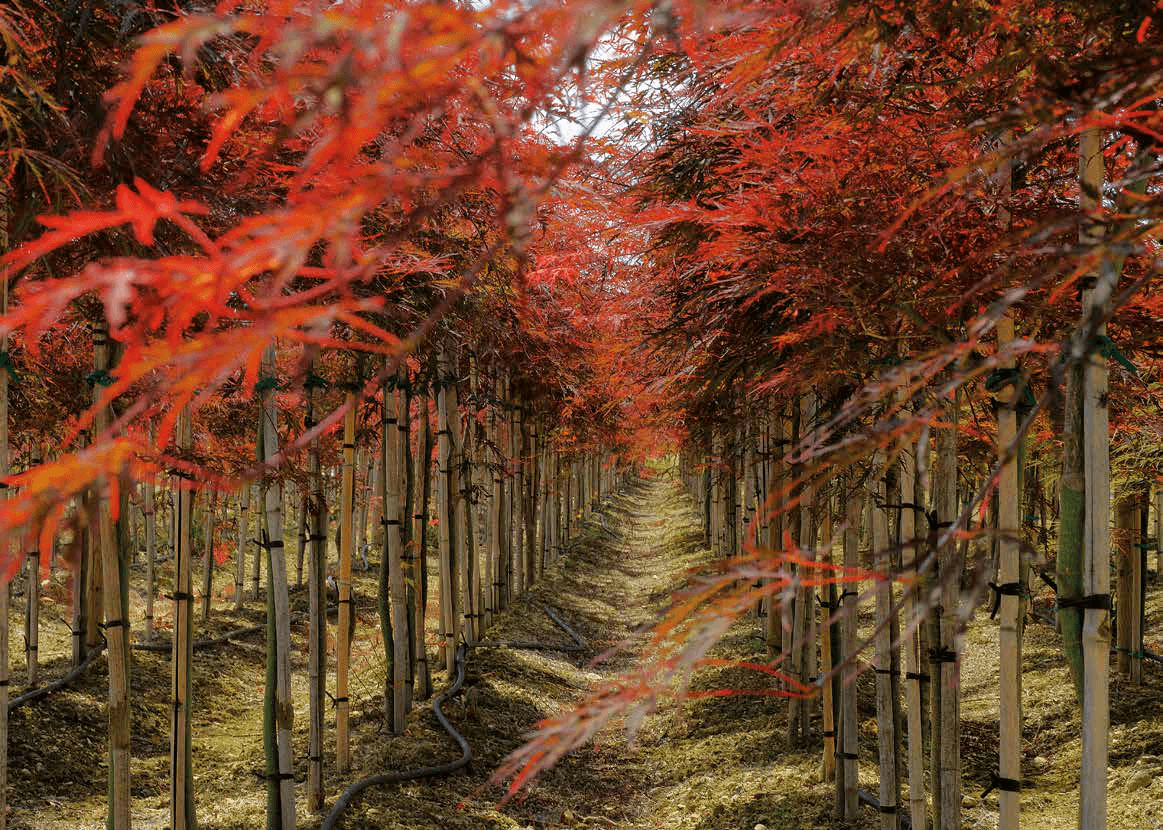
Japanese maples: choosing a cultivar and finding the right spot
Acer palmatum in Croatian gardens: sun and shade, leaf scorch, soil pH, container culture, and which cultivars stay small enough for a town garden.
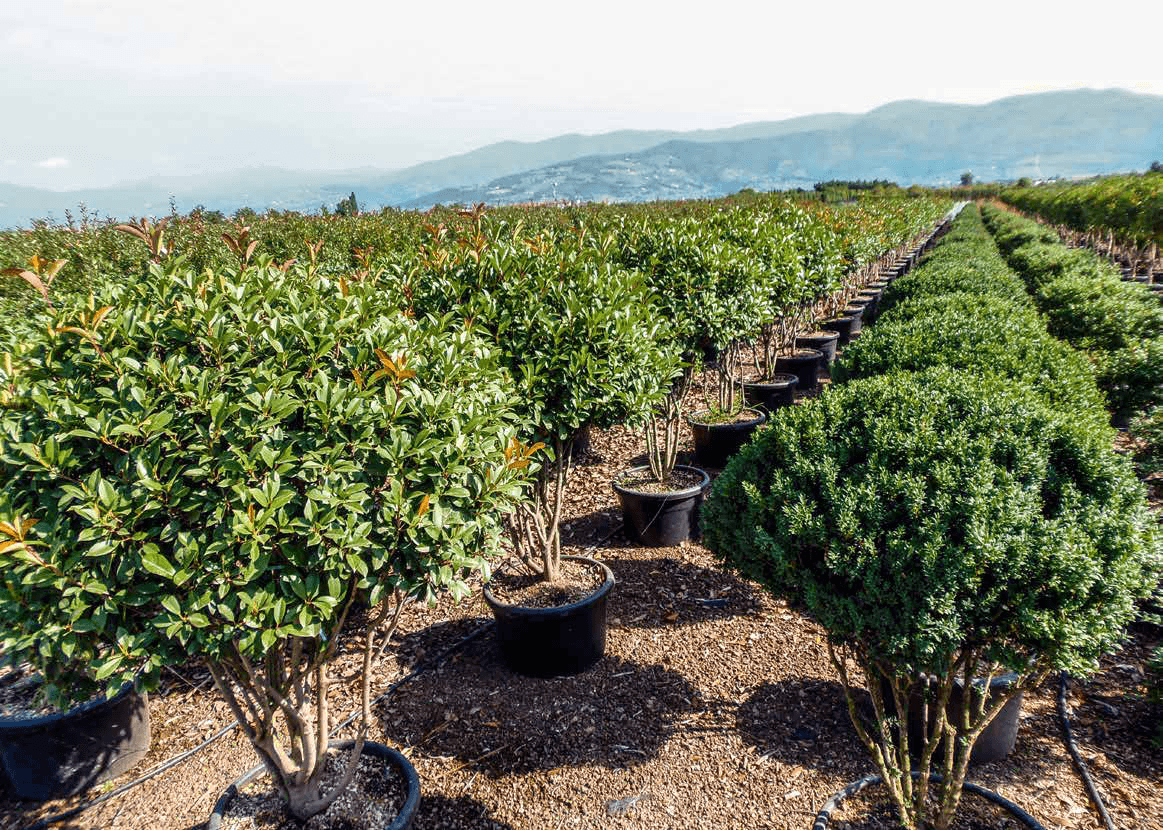
Choosing plants for a hedge: screening, clipping and coastal wind
Which hedging plants suit which job — fast evergreen screening, a formal clipped line, or a windbreak on the coast — with spacing, clipping months and honest trade-offs.